Home › Gravel-to-Asphalt Conversions
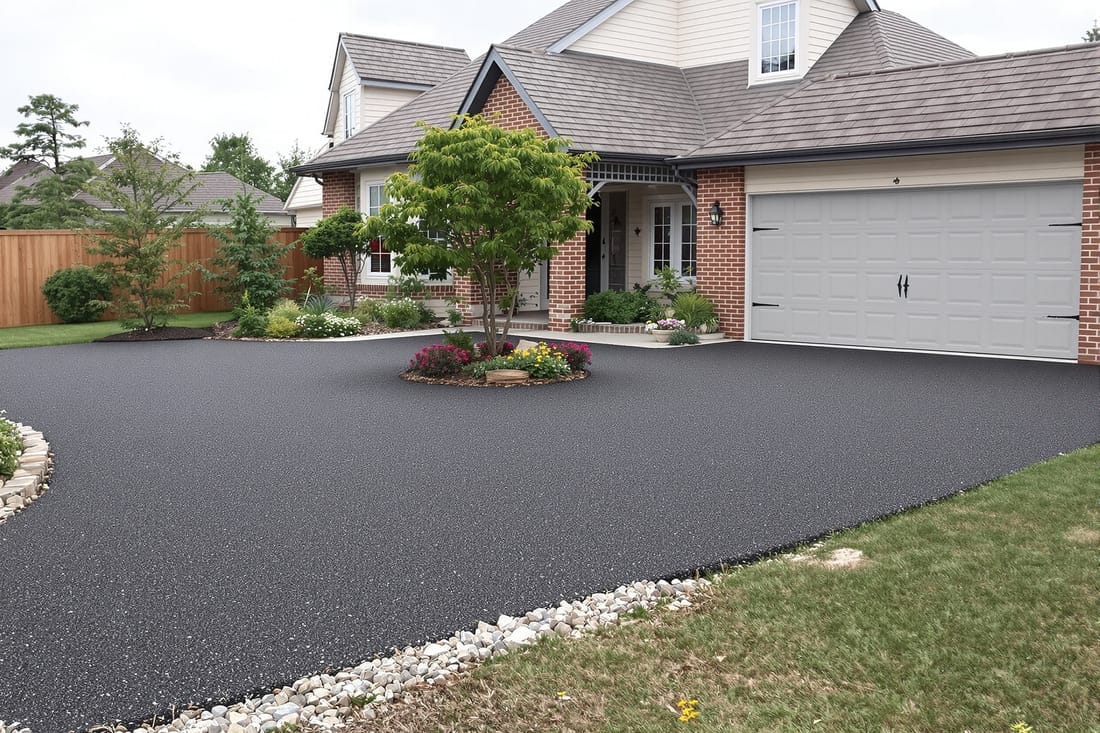
Upgrade from dust and mud with a gravel to asphalt driveway conversion in Chandler, AZ. We transform rutted gravel or dirt drives into smooth, low maintenance asphalt surfaces. Our process includes grading, compacting the base, adding needed aggregate, and paving with hot mix asphalt. Get a clear plan and estimate to convert your gravel driveway to asphalt.
Precision Asphalt Chandler provides professional gravel to asphalt driveway throughout Chandler, AZ, Arizona and the surrounding area. Our licensed, insured crew delivers safe, clean, on-time work with a free estimate before anything begins. Call (480) 462-5798 or request your free quote.
Turn Your Gravel Driveway Into a Clean, Solid Asphalt Surface
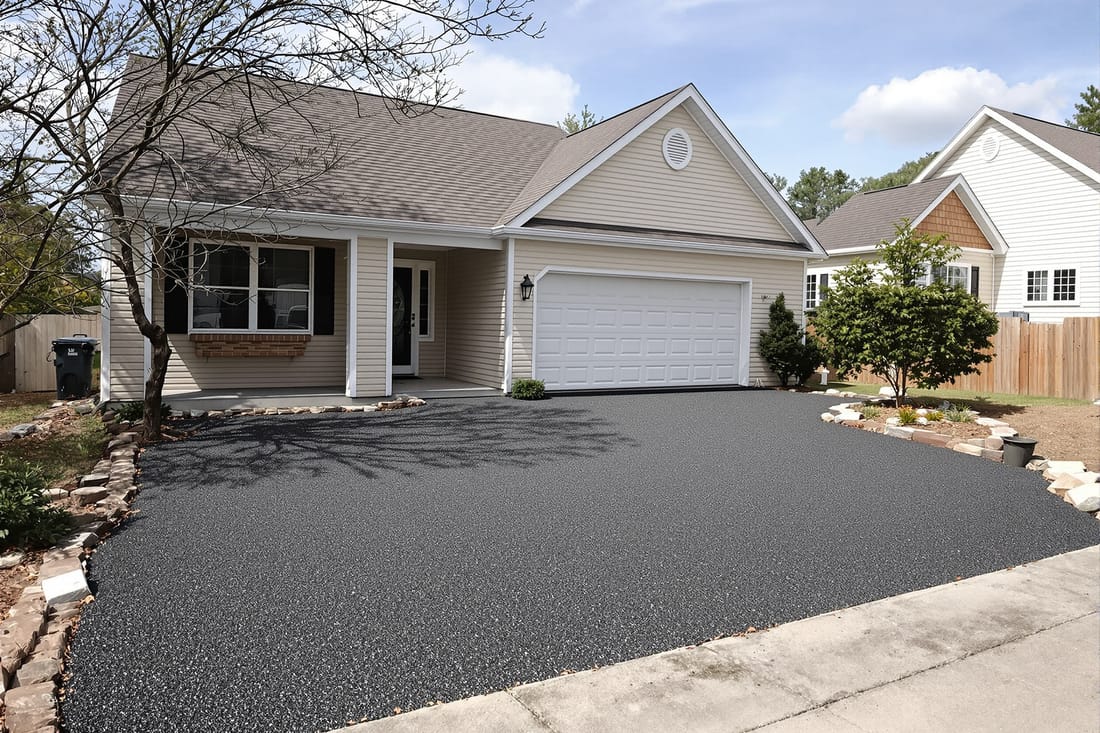
If you are tired of dust, washouts, and loose rock, a gravel to asphalt driveway conversion can make daily life in Chandler a lot easier. Precision Asphalt Chandler specializes in turning bumpy, dusty gravel drives into smooth, durable asphalt surfaces that handle Arizona heat and monsoon rains.
Unlike new builds on bare desert lots, converting an existing gravel driveway has its own challenges. Gravel depths are often uneven, there may be soft pockets from years of traffic, and water may already be draining the wrong way. We start by evaluating what you have, not by forcing a one-size-fits-all paving package.
Our crews live and work in the East Valley, so we know how local clay pockets, caliche, and summer expansion and contraction affect a driveway over time. When we design your gravel to asphalt driveway, we look at how you actually use it: heavier trucks, RV parking along the side, kids playing hoops in front of the garage, or frequent turning from a tight cul-de-sac.
The result is not just a black surface on top of your gravel. It is a properly rebuilt and compacted base with the right asphalt thickness for Chandler traffic and temperatures, so you are not paying for a quick cosmetic fix that starts failing in a few summers.
Step-by-step: How We Convert Gravel To Asphalt Driveways
A quality gravel to asphalt driveway conversion follows a clear sequence. Precision Asphalt Chandler uses the following process so nothing important gets skipped.
1. Initial site walk and measurement
We visit your Chandler property, measure the driveway, check gravel depth, and note drainage patterns. We look for ruts, standing water spots, and areas where your tires have already found weak points.
2. Elevation and drainage planning
Before any machinery arrives, we plan slopes, tie-in points at the street, and transitions into your garage or carport. This is critical on Chandler lots where the front yard is often flat and block walls trap water. We adjust grades so water flows away from structures and does not pond against the garage or front walk.
3. Strip, regrade, and rebuild the base
Existing gravel is not always a good base in its current condition. We use graders and skid steers to cut down high spots, remove soft material, and shape a proper crown or cross-slope. When needed, we bring in new aggregate base and compact it in layers with vibratory rollers, targeting a dense, stable foundation that will not pump or shift when the asphalt goes on.
4. Edge definition and confinement
For Chandler homes without existing concrete curbing, we may recommend adding edge restraints or thickening the asphalt along the sides where vehicles repeatedly drive off the edge. This helps prevent asphalt edges from raveling and breaking off over time, especially where landscaping rock meets the driveway.
5. Asphalt placement and compaction
We typically install a hot mix asphalt surface course between 2 and 3 inches thick after compaction for residential gravel to asphalt driveways. Our crew uses a paver when access and layout allow, then steel drum and pneumatic rollers to achieve a tight, uniform mat. Handwork around utility boxes, gates, and sidewalks ensures a clean finish with no trip edges.
6. Final roll and cleanup
We finish with a smooth final pass, then clean all work areas, haul away any excess debris, and walk the driveway with you to review slopes and transitions before we leave.
Local Conditions That Shape Your New Asphalt Driveway
Chandler has very specific conditions that affect a gravel to asphalt driveway, so we design with those in mind.
Heat and UV exposure: Summer temperatures and constant sun can cause asphalt to oxidize and become brittle faster than in cooler regions. We use mixes appropriate for our climate and recommend a maintenance schedule that fits Chandler conditions, not a generic national guideline.
Monsoon rains and sudden downpours: A gravel driveway usually ruts or washes out in heavy storms, which is often why people call us. Asphalt solves most of that, but only if drainage is managed. We pay close attention to how water will move between your driveway, street gutter, and side yards. In older Chandler neighborhoods without great street drainage, this planning is especially important.
Soils and caliche: Many Chandler lots have hard caliche layers under more flexible soils. If we ignore that, the base can move unevenly. During the conversion, we identify these layers, cut or scarify as needed, and rebuild the base so the new asphalt does not mimic old gravel ruts.
HOA standards: Communities in areas like Ocotillo, Cooper Commons, or Sun Groves may require certain driveway edges, colors, or tie-in details to existing concrete. Precision Asphalt Chandler reviews your HOA guidelines with you and can provide simple drawings or descriptions for architectural committee approval so you are not caught off guard after the work is done.
Material Choices, Thickness, and Design Options
Not every gravel to asphalt driveway conversion in Chandler needs the same design. We discuss a few key choices with you before we finalize a proposal.
Asphalt thickness and base depth: Light residential use at a single-family home might be fine with 2 inches of compacted asphalt over a well-built base. If you park work trucks, trailers, or RVs, we may recommend 3 inches of asphalt or a thicker aggregate base underneath. Spending a bit more on base and thickness at the start can prevent rutting and cracks from heavy loads later.
Driveway layout changes: A conversion is a good time to adjust your layout. We can slightly widen tight curves, add a parking pad beside the house, or soften sharp transitions at the sidewalk. If you have trouble backing out onto busy cross streets, we can sometimes reconfigure the drive to add a turnaround space.
Edges and transitions: We pay close attention to how your new asphalt meets the existing street, alley, sidewalk, or garage slab. Poor transitions create trip hazards and become early crack locations. We often mill or cut an edge into existing concrete or asphalt at the tie-in point so your new surface sits flush instead of creating a bump.
Surface finish and striping: For larger or shared residential drives, we can add simple parking stripes or markings, especially in multi-home flag-lot situations. Although most Chandler homes do not need striping, clear markings can help in shared easements or small private drives that serve several houses.
Cost Factors for Gravel To Asphalt Driveway Conversions in Chandler
Homeowners often ask for a per-square-foot price, but the real cost of a gravel to asphalt driveway depends on several local and site-specific factors.
Existing gravel condition: If your gravel is relatively deep and well compacted, we may be able to rework and reuse much of it as base, which keeps costs down. If it is thin, full of organic material, or extremely uneven, more excavation and imported base material will be needed.
Access for equipment: Tight side yards, low block walls, or large trees can limit access for pavers and rollers. When we need to do more handwork or use smaller machines, labor time increases. We are honest about this during your quote so you understand what is driving the number.
Driveway thickness and load requirements: Designing for heavier vehicles, frequent turning, or RV parking requires more asphalt or a stronger base. That adds cost initially but usually saves money over time compared to repeated patching.
Drainage improvements: If we need to create swales, add small valley gutters, or regrade connecting areas to correct drainage issues, it adds some cost but prevents future damage. In Chandler, where large storms come quickly, this is a worthwhile discussion.
Permits and HOA submittals: In many Chandler residential areas, replacing a private driveway that does not alter the public sidewalk or curb does not require a city permit. However, if your gravel drive currently runs directly into the street without a proper apron, or if we adjust the curb cut, coordination with the City of Chandler or your HOA may be needed. Precision Asphalt Chandler helps you understand these requirements before you commit.
Common Problems With Conversions And How We Prevent Them
Converting a gravel driveway to asphalt is not as simple as paving over what is there. Precision Asphalt Chandler focuses on avoiding the issues we see when driveways are rushed or installed by non-local crews.
Problem: Asphalt settling into soft spots
If the base is not consistent, asphalt will settle where the gravel was weak, creating dips or birdbaths. We probe the existing surface, identify soft zones, undercut them, and replace them with compacted aggregate so your driveway stays uniform.
Problem: Edge cracking and crumbling
Without support, asphalt edges can crack where vehicles repeatedly drive off the side to avoid landscape rock or tight access. We either thicken the edge, recommend simple concrete or masonry borders, or adjust the drive alignment to keep wheels on the pavement.
Problem: Water pooling and early surface failure
On flat Chandler lots, water can sit in low spots. Pooling water shortens asphalt life. We use laser or stringline checks to set proper slopes and, where needed, introduce subtle crowns or crossfalls so water finds its way to the street or a planned drainage area.
Problem: Premature oxidation and fading
Asphalt in Chandler will fade to gray over time, but excessive oxidation leads to cracking. We educate you on realistic expectations and maintenance, including when to consider a first sealcoat and how to avoid common mistakes like sealing too early or using low-quality products that trap heat.
By addressing these issues during design and construction, we help your gravel to asphalt driveway perform better for many years with less unplanned repair.
What To Expect When You Hire Precision Asphalt Chandler
We try to make the conversion process clear before work begins, so there are no surprises for you or your neighbors.
Scheduling and preparation: Once you approve the proposal, we schedule work around Chandler weather, your HOA restrictions on construction hours if applicable, and your personal schedule. We ask you to move vehicles, trailers, and portable items from the work area the day before we arrive.
Work duration: Most residential gravel to asphalt driveway conversions take 1 to 3 days of active work, depending on size and how much base rebuilding is needed. You can usually walk on the new asphalt the same evening, but we typically recommend waiting 24 to 48 hours before driving on it, especially in hotter months.
Traffic and access: We coordinate with you so at least one vehicle can remain available on the street while work is in progress. For homes on busier Chandler roads, we may use cones or temporary signage to keep workers safe and maintain reasonable access.
Final walkthrough and care guidance: Before we leave, we walk the driveway with you, review slopes, edges, and tie-ins, and explain simple care steps for the first few weeks. We advise against parking heavy vehicles in the same exact spot for long periods during the first month, and we explain how to spot any early issues so we can address them quickly.
With a properly planned conversion, your former gravel drive becomes a clean, solid surface that is easier to keep tidy, friendlier to kids and guests, and better suited to Chandler weather. Precision Asphalt Chandler is available to answer questions before and after the project so you always know what is happening on your property.