Home › Road, Street, and Municipal Paving
Partner with a reliable contractor for road paving in Chandler, AZ. We pave and resurface streets, subdivisions, and municipal roads with high quality asphalt. Our team manages milling, paving, traffic control, and compaction to meet specifications and keep traffic moving. Contact us to discuss upcoming road, street, or neighborhood paving projects.
Precision Asphalt Chandler provides professional road paving throughout Chandler, AZ, Arizona and the surrounding area. Our licensed, insured crew delivers safe, clean, on-time work with a free estimate before anything begins. Call (480) 462-5798 or request your free quote.
Road paving in Chandler that actually holds up to our heat
Roads in Chandler live a tough life. We have triple-digit heat, summer monsoons, and steady traffic from neighborhoods, school zones, and busy arterials like Chandler Blvd and Arizona Ave. Precision Asphalt Chandler designs road paving projects specifically around these conditions so your new surface does not rut, ravel, or crack prematurely.
Our first step is always evaluation and planning. For city streets, HOA roads, or private access roads, we walk and drive the route, note existing failures (alligator cracking, potholes, edge break, standing water), and measure traffic patterns. A residential cul-de-sac near Andersen Springs needs a very different asphalt mix than a commercial connector road serving truck traffic near the 202.
We also look closely at the subgrade. In many Chandler neighborhoods, the base was built in the early 2000s and has compacted unevenly over time. Where we see soft spots or old utility trench lines, we plan localized base repairs or full-depth reconstruction so the new asphalt does not mirror those weak points within a year or two.
Once we understand the road’s use and condition, we recommend a pavement section. That usually means a specific depth of aggregate base, then a compacted hot mix asphalt layer or multi-layer system, selected to handle Chandler’s temperature swings and traffic use. We will walk you through why we recommend 2 inches vs 3 inches, and what that means for lifespan and cost so you can make a clear decision.
How our road, street, and municipal paving process works
With municipal and community road paving, the details matter. Precision Asphalt Chandler follows a step-by-step process designed around both performance and minimal disruption.
1) Field layout and traffic control. Before any milling or paving, we mark utilities, confirm drainage slopes, and set up signage and detours. On neighborhood roads, we coordinate with HOAs so residents know which days their driveways will be briefly inaccessible. For city or county work, we follow MUTCD-compliant traffic control plans.
2) Milling or removal. If the existing surface is badly cracked or holding water, we mill off the top layer with a cold planer. In some cases, such as oxidized but structurally sound streets, we may only remove 1 to 1.5 inches and keep the underlying layer. Where the base has failed, we perform full-depth reclamation or cut out and rebuild the section instead of just paving over a weak spot.
3) Base repair and grading. We regrade the base to restore crown and cross-slope so water sheds toward catch basins and scuppers. Typical Chandler residential roads use a modest crown that we match or correct. We recompact with vibratory rollers, verify density, and spot treat any pumping areas so the new asphalt has a firm foundation.
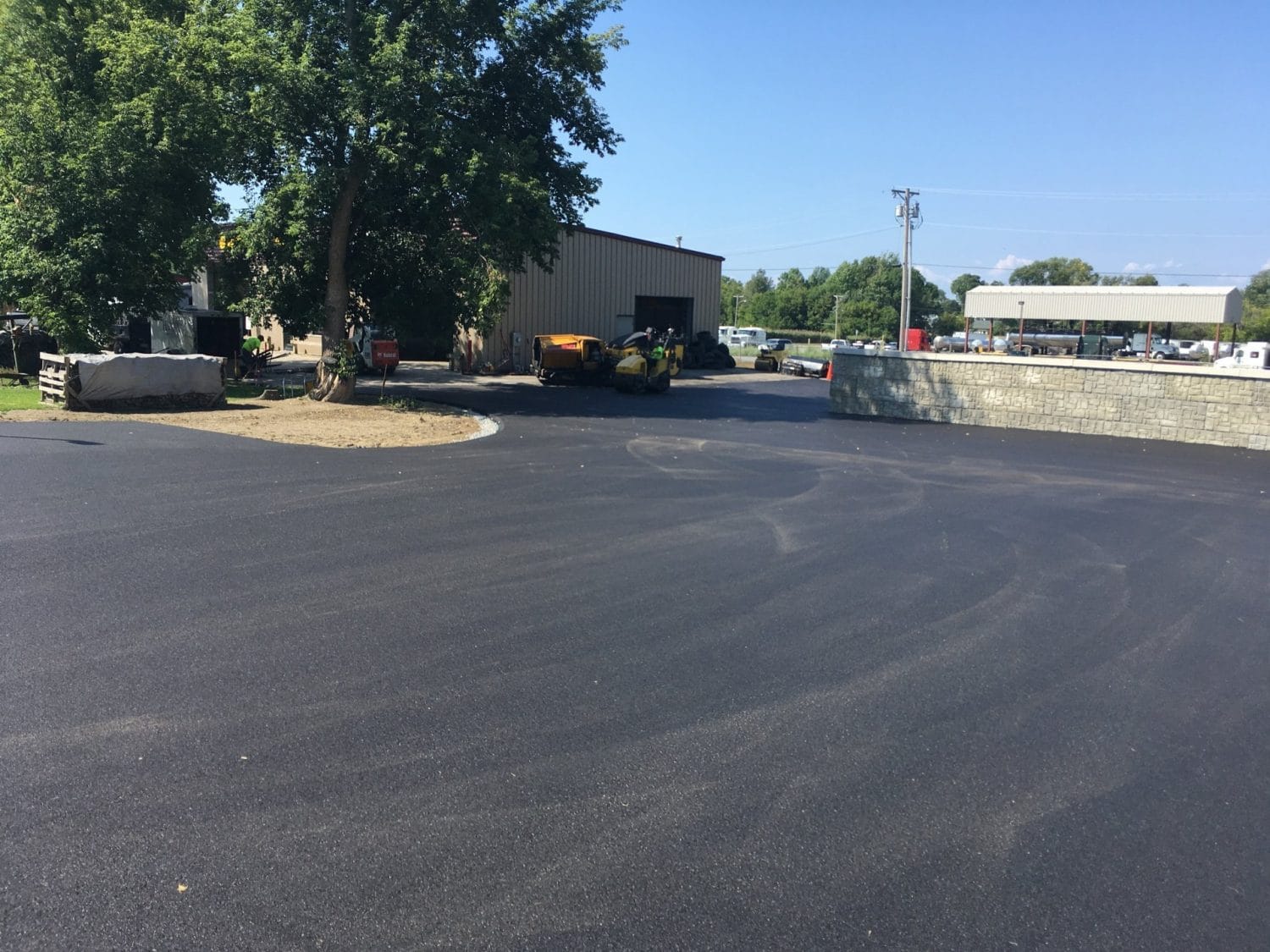
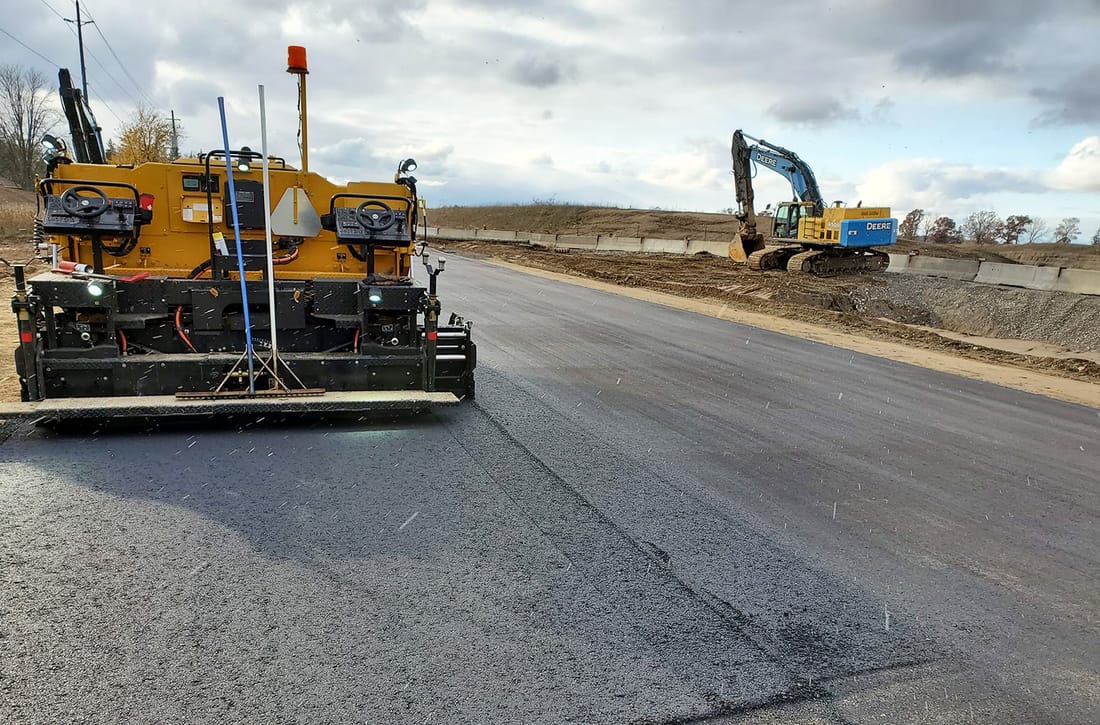
4) Paving with hot mix asphalt. We truck in asphalt at proper laydown temperature from a local plant and place it using a screed-equipped paver. We tightly control joint locations so seams are offset from wheel paths. Then we compact the mat using steel drum and pneumatic rollers in a specific pattern that achieves target density without leaving roller marks.
5) Joints, edges, and detail work. At tie-in points by intersections, alleys, or existing roads, we cut clean edges and apply tack coat so the old and new layers bond. We pay close attention around manholes and valve covers, common in Chandler’s older subdivisions, so there are no abrupt bumps.
6) Striping and final inspection. Once the asphalt cools, we stripe lanes, crosswalks, bike lanes, and stop bars. We use reflective thermoplastic or high quality traffic paint suited for intense sun so markings stay visible in our bright conditions. Finally, we walk the project with you to confirm smoothness, drainage, and access points.
Materials, design options, and what affects road paving cost
Road paving costs in Chandler vary a lot, and most of that comes down to three things: existing base condition, asphalt thickness and mix design, and traffic management needs.
Base condition: If your existing road is relatively smooth with only surface cracking, we may be able to mill and overlay. That approach keeps costs down and still adds many years of life. If we find widespread base failure, you should budget for removal and replacement of those areas. Skipping base work to save money usually means you will be paying again in a few years.
Thickness and mix design: A lightly traveled HOA loop might use a thinner lift than a connector road that sees delivery trucks. We will spell out options, for example:
• 2 inches of hot mix asphalt over an existing stable base for low-traffic residential streets.
• 3 inches or more with a stronger base for routes with buses, school traffic, or commercial access.
We work with local suppliers to use surface mixes that resist rutting and softening in Chandler’s extreme heat. If you have speed humps, roundabouts, or tight turning areas, we may recommend specific mixes that stand up better to wheel shear.
Traffic management: For municipal or busy collector roads, a big chunk of cost can be traffic control. Night work, off-peak schedules, flaggers, and temporary striping all impact the final number. For private or HOA roads, clear resident notifications and one-way detours can reduce the need for complex setups and help control costs.
Other choices that affect price include whether you want thermoplastic striping versus paint, upgraded crosswalk markings near schools, or added concrete work like new curb ramps to meet ADA standards. Precision Asphalt Chandler gives line-item estimates so you can see exactly where your road paving budget is going and adjust scope instead of guessing.
Common Chandler road issues and how we fix them for the long term
Chandler’s climate and soils create some predictable road problems. Understanding them helps you choose the right fix rather than a quick patch that will not last.
Reflective cracking: Roads built years ago with thin asphalt over poorly compacted trenches often show cracks right over old utility lines. Simply overlaying can hide them for a short time, but they usually reappear. Where we know there are trench lines or joints, we may recommend milling deeper, repairing the trench, or using a reinforcing grid in strategic spots.
Raveling and oxidation: Dark asphalt surfaces from the 1990s and 2000s in many subdivisions have turned gray and dry. The binder has oxidized in the sun and the surface aggregates come loose. If caught early, a mill and thin overlay can reset the clock. If the surface has lost too much material, we may need a thicker structural overlay to rebuild the top of the pavement.
Drainage-related failures: Even small low spots hold water after monsoon storms, which accelerates cracks and potholes. During our design phase, we identify ponding areas and correct slopes by adjusting the base and asphalt thickness. On streets next to older Chandler homes where curb and gutter were added later, we often tweak the cross-slope to move water to inlets without creating driveway lip issues.
Edge failures: On rural or semi-rural roads without curb, the asphalt edge breaks as vehicles pull off onto soft shoulders. The long-term solution can include widening the pavement slightly, stabilizing the shoulder, or adding an asphalt or aggregate edge wedge that provides gradual support rather than a sharp drop.
By addressing root causes instead of just skin-patching the surface, Precision Asphalt Chandler helps cities, HOAs, and property managers reduce reactive maintenance calls and stretch their pavement budgets.
What Chandler clients should know before scheduling road paving
Road, street, and municipal paving is more than just putting down new blacktop. A smooth, durable result starts with good planning between you and your paving contractor.
Timeline and access: For residential subdivisions, expect temporary parking and access limits while paving is in progress and while the asphalt cools. We help HOAs develop parking maps, communication emails, and signage so residents know where to move vehicles and for how long. On busier streets, we may suggest phasing work by direction or intersection so there is always at least one open lane.
Utility coordination: Many Chandler neighborhoods and commercial areas have a mix of newer and older utilities. Before paving, we recommend coordinating with utility providers if you know of upcoming work. It is far cheaper to schedule utility repairs before a new overlay than to cut into fresh pavement later.
Season and weather: Chandler’s heat affects paving windows. In peak summer, we typically schedule work early mornings or nights so asphalt can be placed and compacted correctly before it cools too fast on the surface or stays too soft underneath. We will advise you on the best timing based on your road type and use.
Budget and phasing: If a full road system rehab is not in the current budget, we can help you prioritize. Many of our HOA and municipal clients start by focusing on worst-condition segments and high-traffic routes, then phase remaining streets over several seasons. We can map out a multi-year pavement management plan so you have a clear roadmap instead of reacting to complaints.
If you are planning a road paving project in Chandler, AZ, Precision Asphalt Chandler is happy to walk the site with you, discuss traffic patterns, review any prior engineering reports, and propose options that fit your goals, whether that is extending life at lowest cost or rebuilding a corridor to handle heavier use for decades.